Our Way is the Slow Way

Traditional Shoemaking and Stubborn Sourcing
Make Our Job Difficult and Your Decision Easy

As a young man, I spent my afternoons, weekends, and summers working as a cobbler’s assistant at my father’s shoe repair. Most days, it was the same thing: bluchers and loafers, brown and black. But now and then, we'd see something special. I remember seeing a pair of scotchgrain wingtip oxfords from the early 1970s. They seemed, at first, drastically overbuilt: soles that must have weighed 4 pounds, steel cleats in each heel and toe, a Storm Welt with decorative wheeling, deerskin lining, and uppers which, over 20 years and so many polishes, had developed the sort of finish I would one day know by name. But there was something more to them than all that—something more substantive, something more real.

Oak Street Bootmakers was founded to ensure that this kind of craftsmanship not only survives but is available to as many people as possible. When we began work on our first collection, we had no idea just how many challenges we’d face manufacturing here at home: a shortage of qualified workers, limited access to machinery, and a supply chain with more than a few missing links. Fifteen years later, we remain more committed to traditional shoemaking than ever before—not despite these challenges, but because of them.

Many of the component suppliers still around have survived because they offer something truly unique. If we can help keep their machines running, it will be that much easier for anyone else who comes along wanting to do this the hard way—the right way. And we hope they do come along, because we benefit tremendously when competitors help strengthen the domestic supply chain. Over 98% of American men have yet to experience the pleasure of owning a pair of traditionally crafted shoes or boots. But over 75% of our footwear is sold to repeat customers, which is all the proof we need that the extra time and effort are worth it, and that as long as shoemakers find ways to offer customers better value, we will ensure the American shoemaking tradition lives on.

—George Vlagos, Founder

The Bigger Concern

American shoemaking is in critical condition. Today, over 98% of footwear sold in the United States is made overseas. While the economic impacts of offshoring are frequently and thoroughly discussed, far less attention is devoted to considering how the loss of a traditional skill, such as shoemaking, can alter our cultural and technological trajectory.

No survey of the History of American Menswear would be complete without a rather lengthy lecture on loafers. However, the loafer was not conceived by a clever lad from a fancy fashion school, but resulted from the gradual evolution of Maine's moccasin tradition, wherein an already simple design was refined, honed, and polished over 300 years.

While we may never know the precise degree to which General MacArthur's "island hopping" campaign depended on water-resistant boots, we do know that without a domestic shoemaking supply chain that included Horween Leather Co., and its vast experience manufacturing water-resistant leather, the rapid development of a boot for amphibious assaults would have been significantly more challenging.

Preserving American shoemaking, with all the traditional skills and ancillary industries necessary to support it, is far more than a jobs program. Instead, shoemaking is a lantern that illuminates our past, a testament to our resilience and resourcefulness, and a collection of case studies demonstrating how our world is shaped not only by generals, engineers, and diplomats, but by working people whose disciplined reverence for their craft has, time and again, helped ensure our safety and success in the most meaningful moments.
A Higher Standard

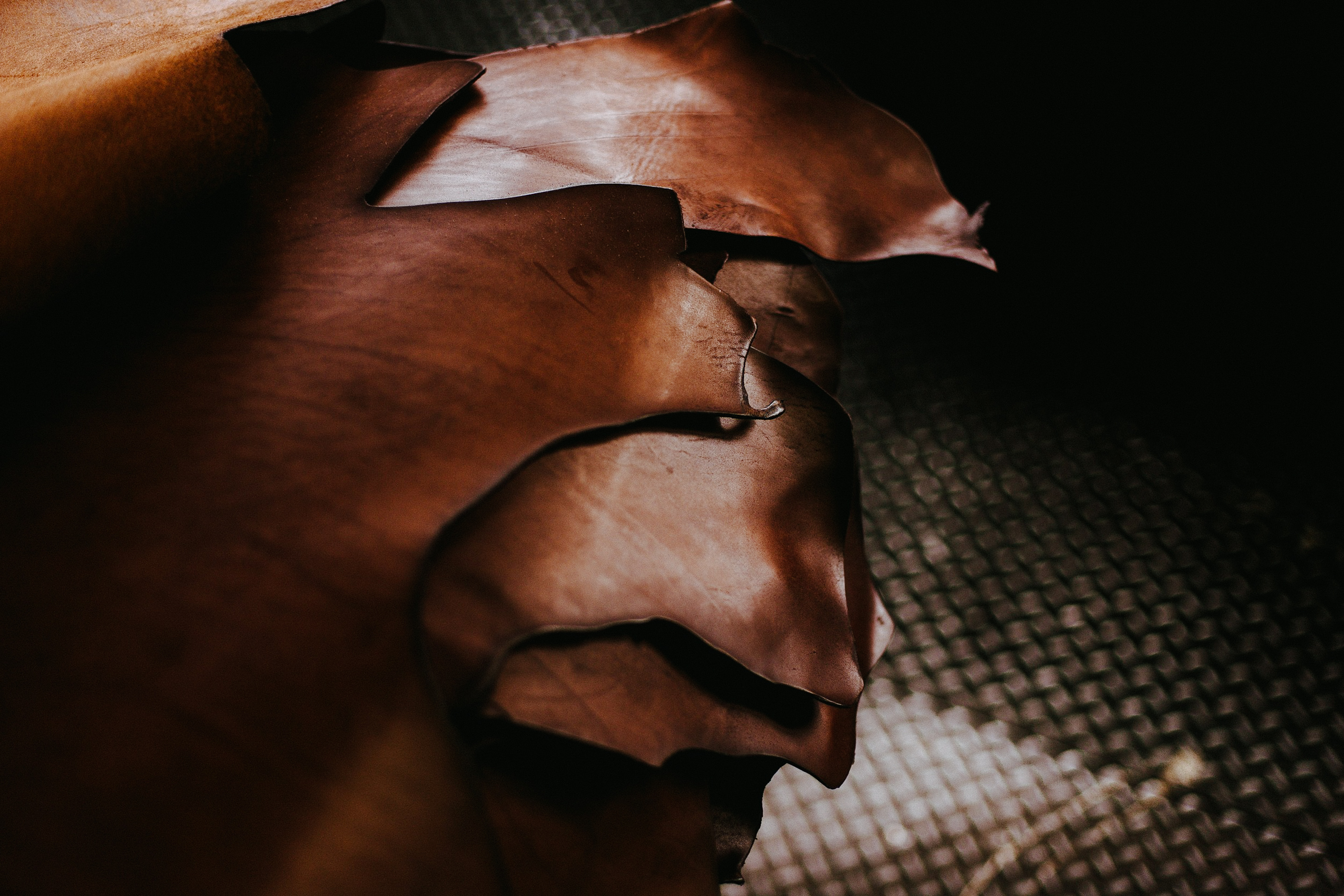
A side of Horween Chromexcel leather destined for a pair of Oak Street Bootmakers boots

Materials

We do not aim to optimize around efficiency or minimizing costs, but rather to maximize value. We begin by sourcing materials with particular durability, utility, and beauty from among the most-trusted suppliers in America and around the world. Most of our suppliers were established before WWII, and several were established long before, with reputations made on the battlefield, during expeditions to the Antarctic, and atop Mt. Everest. This not only includes big names like Horweem Leather Co. and Vibram S.p.A., but small and specialized manufacturers like D.B. Gurney, who made hob nails for the boots of Union soldiers—and tacks for the boots Neil Armstrong and Buzz Aldren wore while taking man’s first steps on the Moon.

Construction

Traditional construction makes the most of our materials, with processes that help resist impact, water, and everyday wear and tear. Beyond that, traditional shoemaking benefits from centuries of wisdom, nuanced techniques that help footwear better conform to our ergonomics—maximizing mobility, stability, and comfort. And, of course, traditional shoemaking maximizes longevity by ensuring not only that soles can be replaced, but that shoes and boots can be entirely recrafted, with the upper relasted and reconstructed and sewn to an all-new lower. So long as the leather is of sufficient quality and reasonably well maintained, traditionally constructed shoes and boots can dutifully serve for a lifetime.

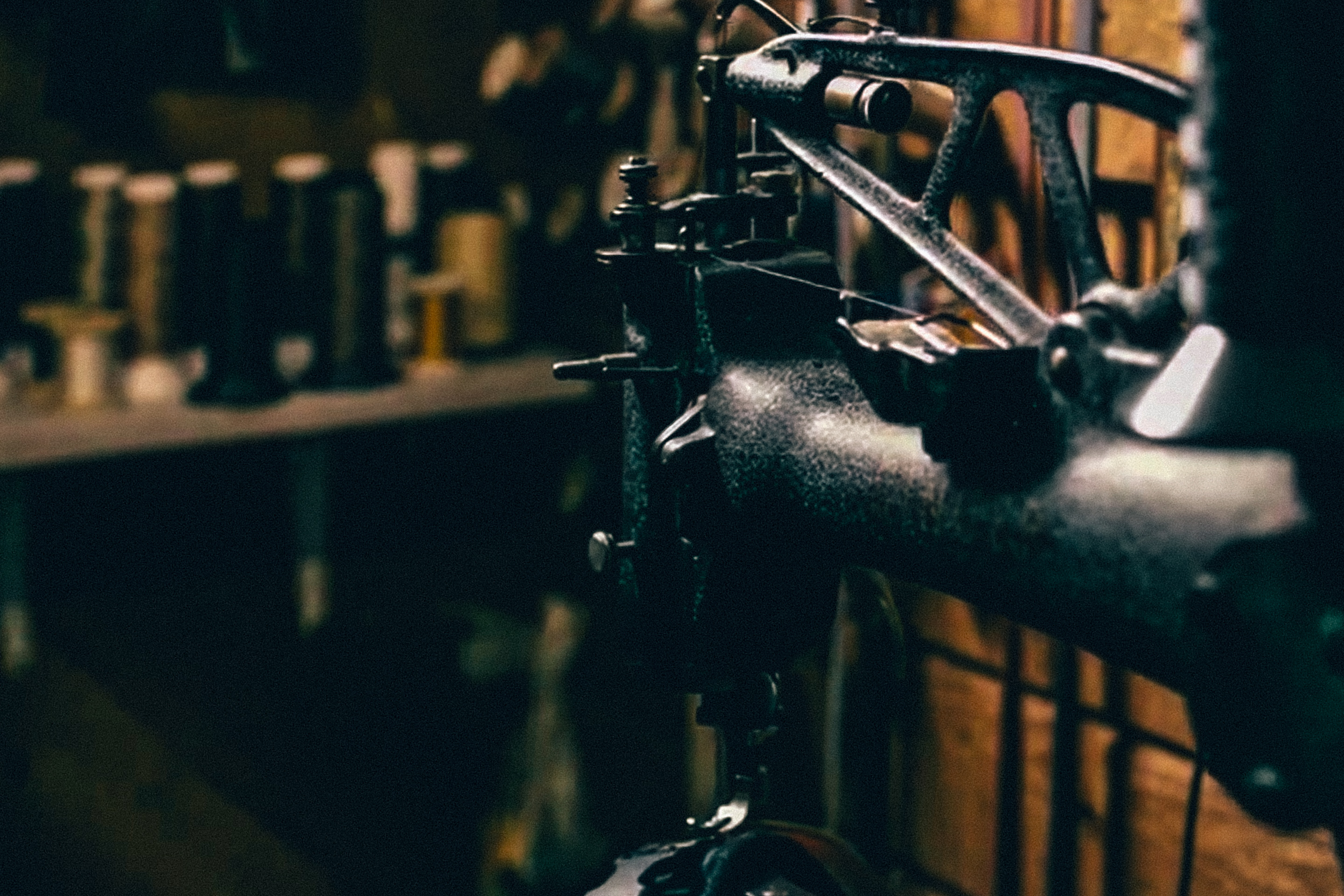
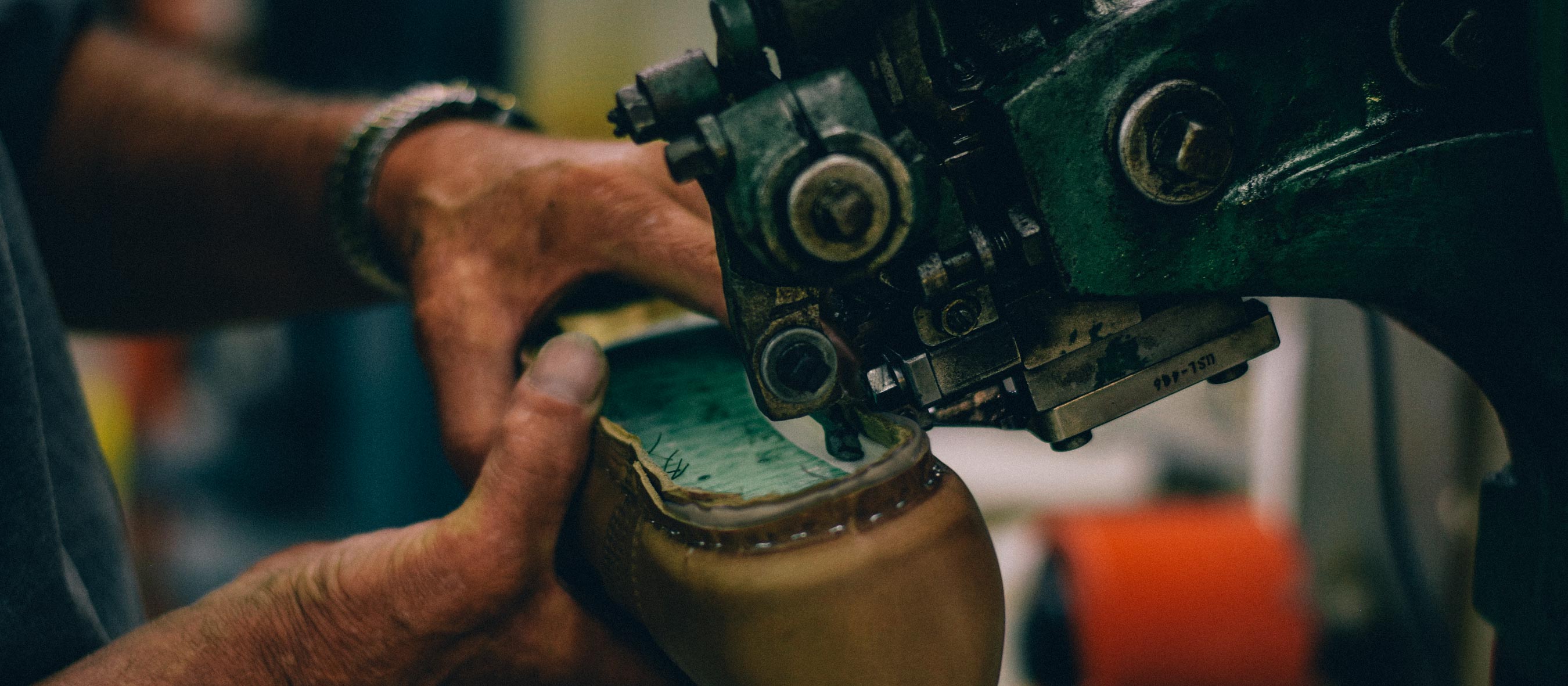
A stitching machine behind the scenes at Oak Street Bootmakers
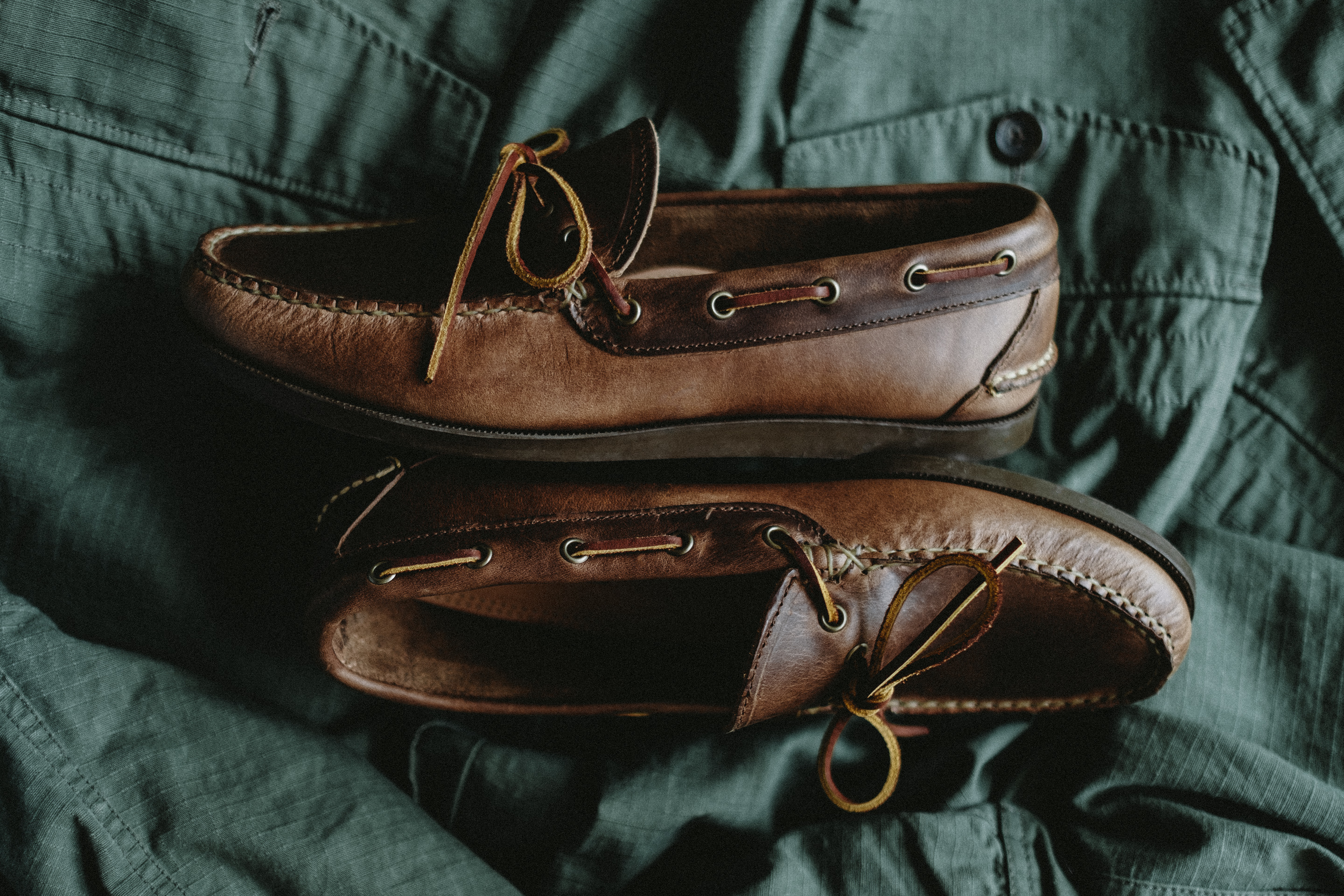
A Camp Moc in Horween Natural Chromexcel leather handsewn by Oak Street Bootmakers

Guarantee

Quality materials and traditional craftsmanship not only give us the confidence to offer our customers our Factory Guarantee, but also the evidence that our Guarantee costs us absolutely nothing. We repair or replace any of our shoes or boots with integrity or function compromised by faulty materials or craftsmanship. This seldom happens, and when it does, we have an opportunity to further establish trust with a customer and investigate the cause of the fault so we can take steps to prevent it from recurring. The value of our shoes and boots is assured by quality materials proven in the field, the reputations of the manufacturers who supply them, and shoemaking standards developed over roughly 500 years, enforced by the stubborn nature of nearly all those drawn to the shoemaking trade. For those skeptical and in need of further assurance that our footwear offers extraordinary value, we offer a Factory Guarantee.

It’s slow.
It’s expensive.
And we wouldn’t have it any other way.

Hides with Bona Fides

All our footwear is crafted using leather sourced from the world’s leading tanneries. Each of our featured tanneries produces leather with proprietary, time-honored tanning processes and has been in operation for at least 40 years.

Horween Tannery Logo

Horween Leather Co.

Chicago – USA
C.F. Stead Tannery Logo

C.F. Stead Sheepscar

Leeds – England
Conceria Maryam Logo

Maryam S.R.L.

Toscana – Italy
Seidel Tannery Logo

Seidel Tanning Corp.

Milwaukee – USA
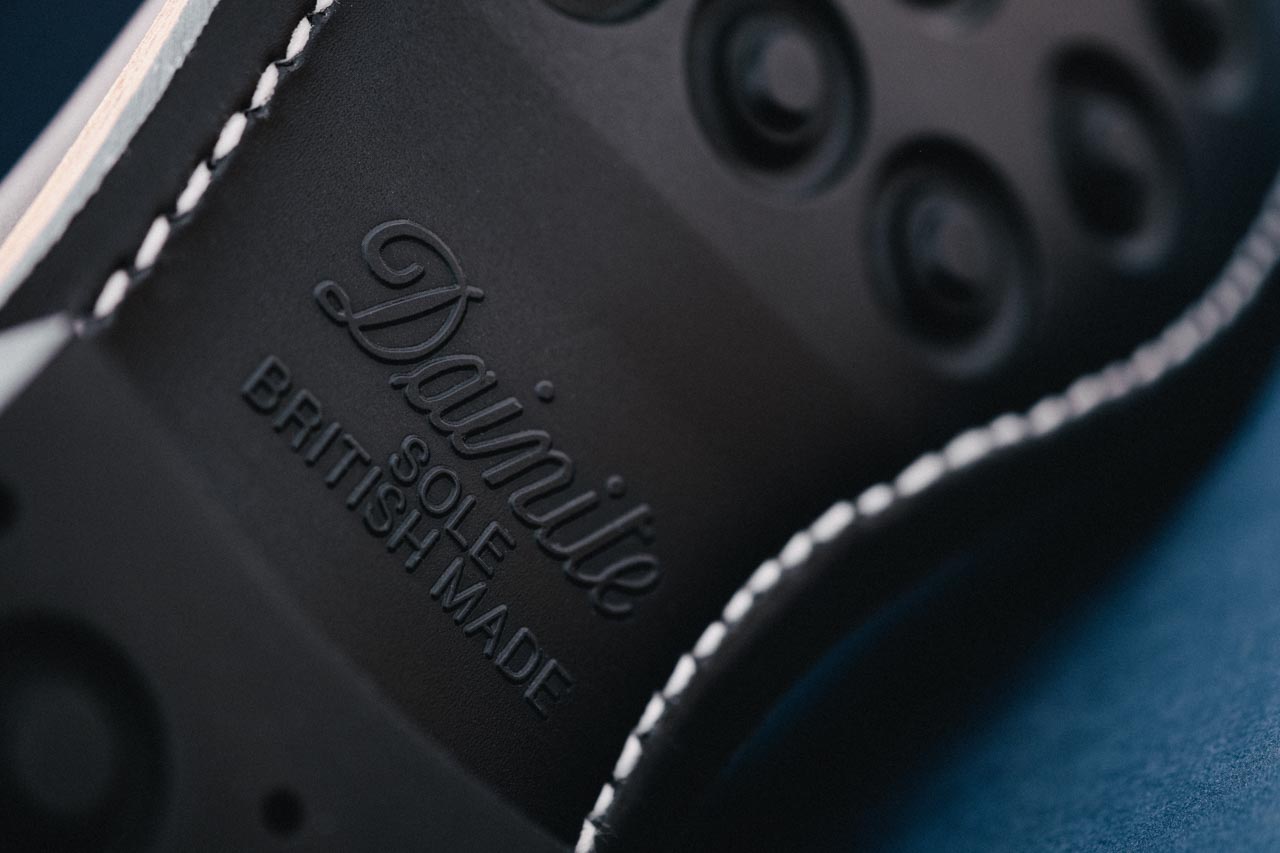
A British-made Dainite Rubber-Studded Sole

Not Afraid to Bare Our Sole

All our leather soles and stacked-leather heels are made right alongside our footwear. Our branded rubber Camp Soles and Boat Soles are made in a Vibram® factory. When it comes to specialty rubber soles, we Vibram's American-made soles and heels, as well as British-made studded soles and heels by Dainite®. Limited editions are usually paired with one of a variety of rubber soles from Vibram’s factory in Italy.

The Parts You Never See But Always Notice

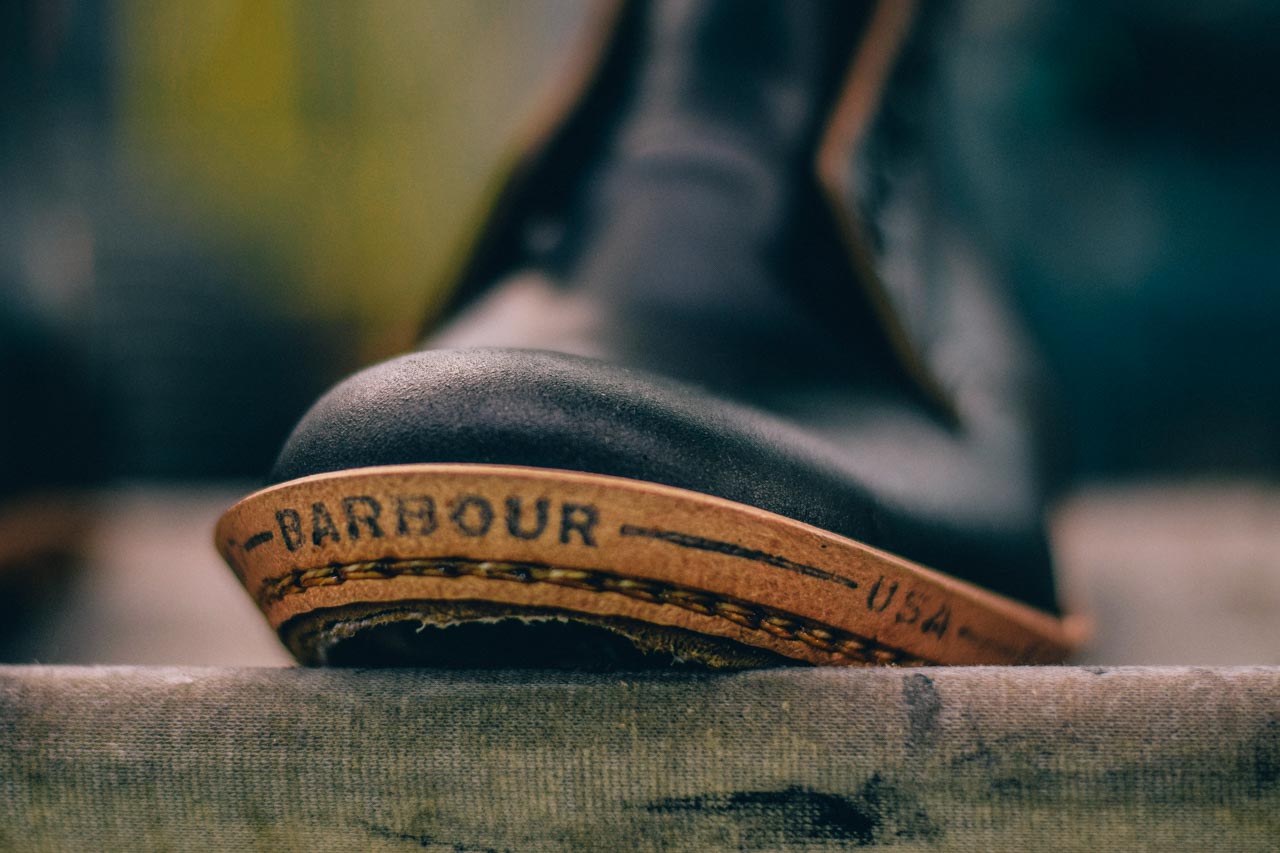
We take great care in selecting all our materials—including those most will never see. For example, we source our welts from the Barbour Welting Company in Massachusetts, the foremost innovator in welts since 1892. You’ll never see the Barbour logo in your boots but you’ll appreciate their craftsmanship every time your feet stay dry in the rain.

An Oak Street Bootmakers Trench Boot with Barbour Welt exposed before sole is attached
Massachusetts' Barbour Welting Company has been in continuous operation since 1892.
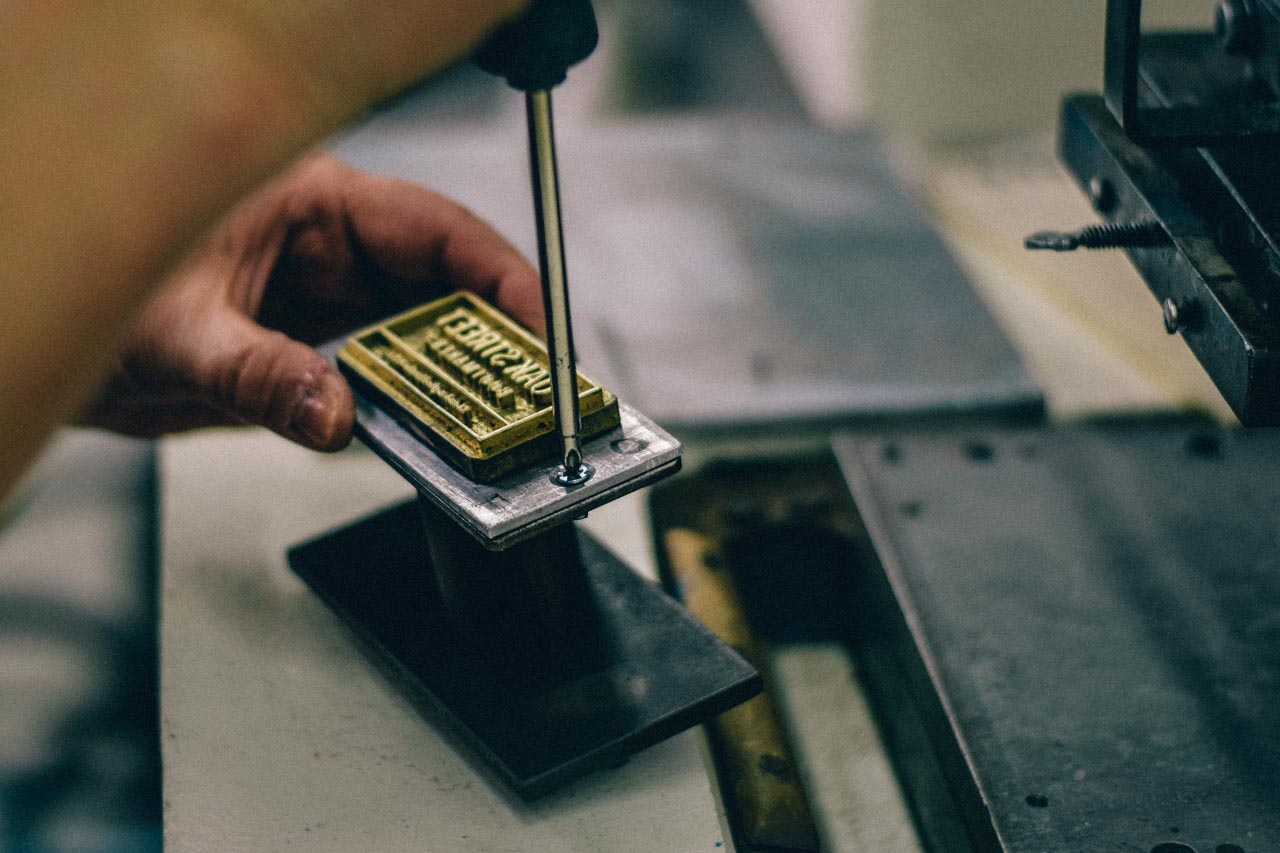
Oak Street Bootmakers Logo Die

A Chain of Many Links

Our domestic supply-chain includes far more than tanneries and welt makers. Every day, we trade with die makers, lace distributors, metalsmiths, brushmakers, purveyors of waxed thread—a pantheon of people whose livelihoods depend on the support of companies like us and customers like you. These are highly-specialized small businesses and, in many cases, they are the sole-remaining domestic resource capable of providing their goods or services.

Keeping The Network Online

It's taken over a decade to connect our network of vendors and suppliers—and we're still working on it. In many ways, American shoemaking remains a cottage industry, where some craftspeople still work out of their garage or basement. You won't find them with a search engine. To find the guy you need, you have to ask the guy who knows him. We are dedicated to keeping all these folks in business, not just for us, but for all those who seek to preserve the great tradition of American craftsmanship.

Oak Street Bootmakers Network Icon
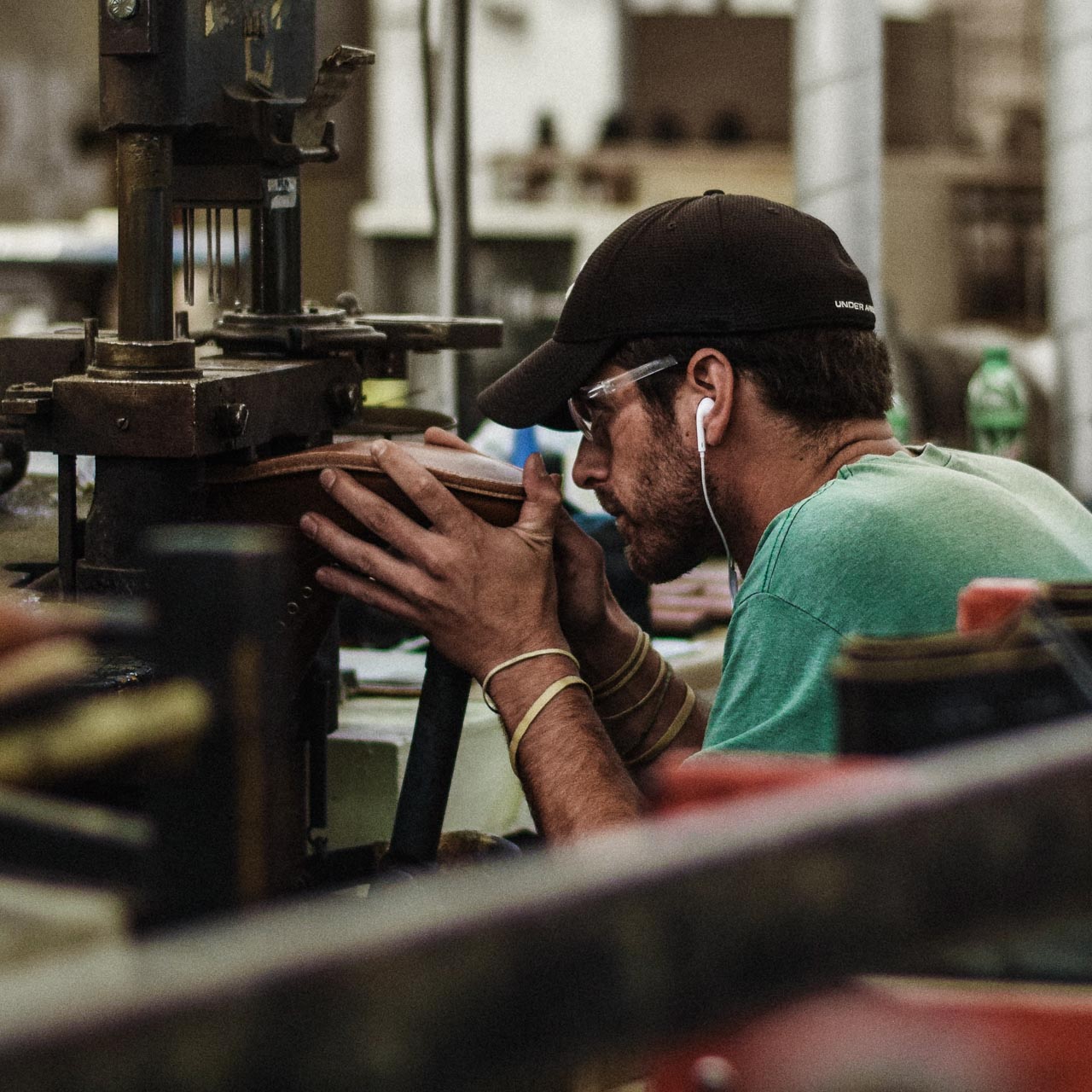
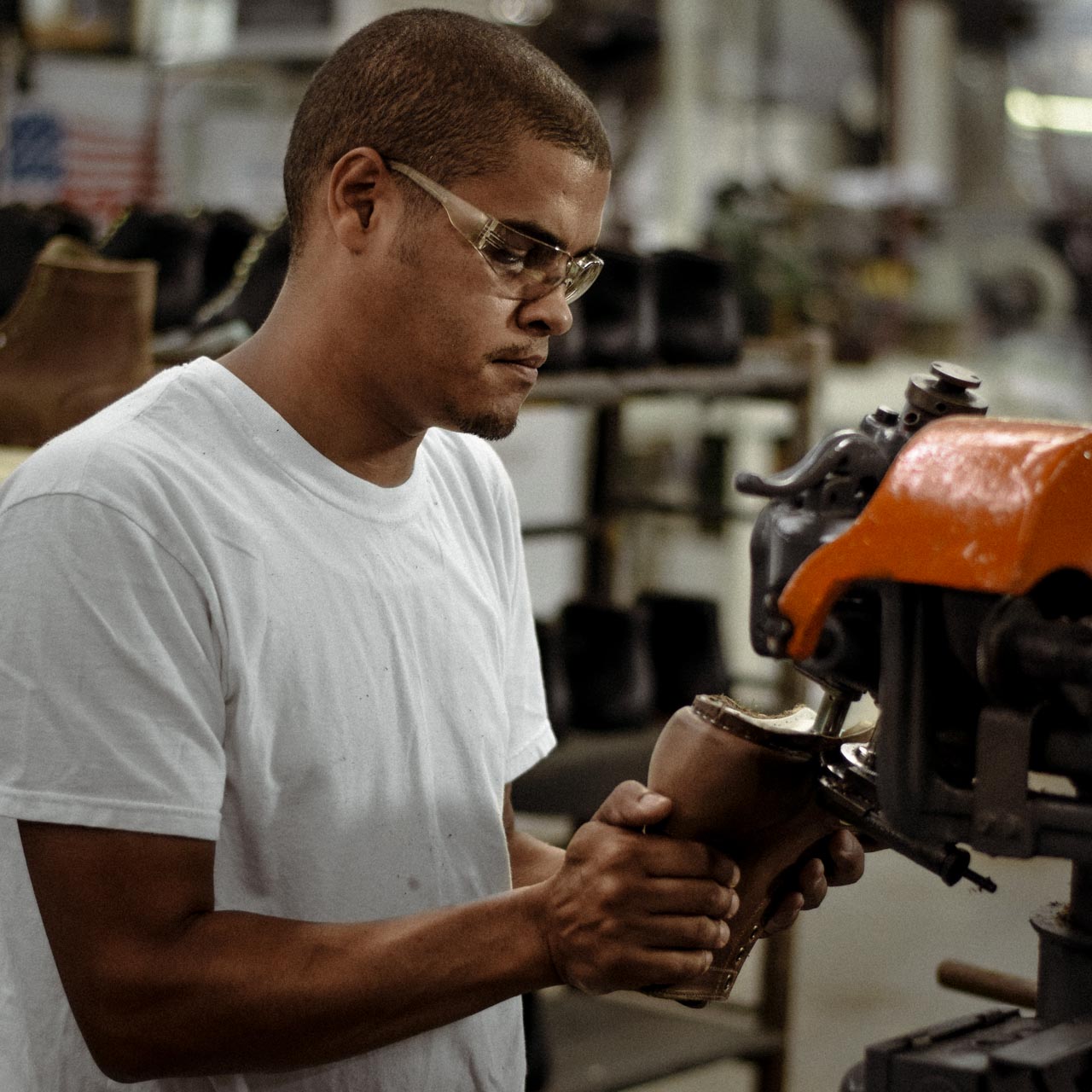
A proud bootmaker at an Oak Street Bootmakers Factory
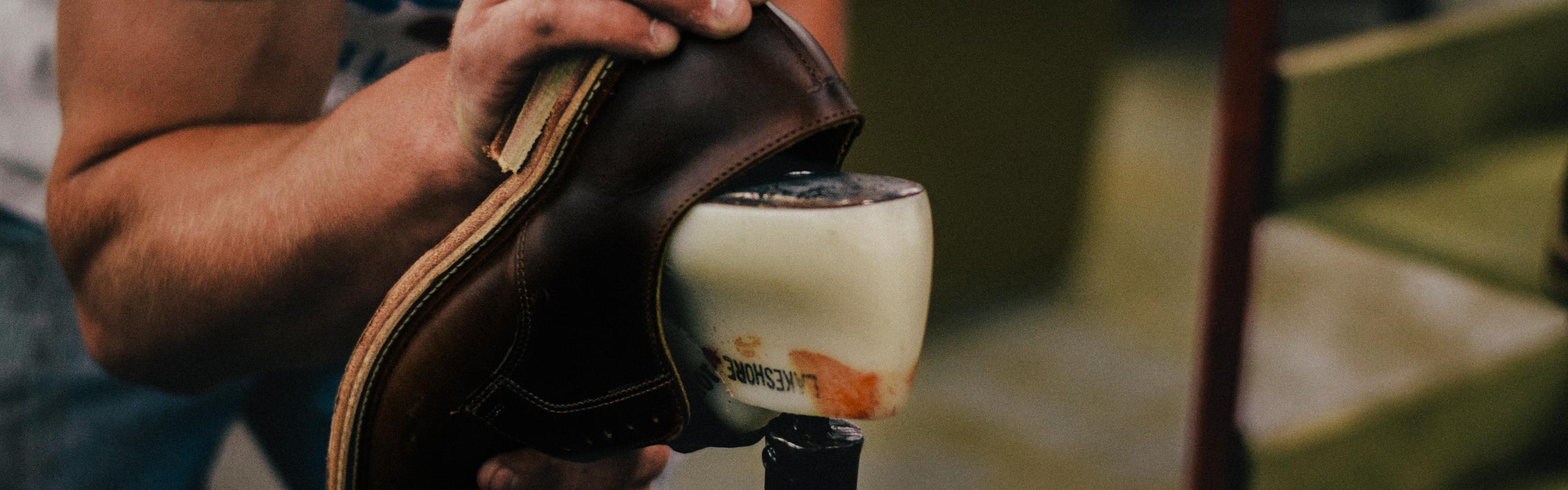
A young bootmaker attaches a heel to a Trench Boot
A skilled bootmaker operating a Goodyear Welt machine

The Next Chapter

Unfortunately, nothing on Skillshare teaches the safe and effective operation of a 1945 Landis #12 E Sole Stitcher. That may change one day but until then, the best way to learn is at the side of someone who's been using one for a decade or two. There aren't many people who have the know-how to make a good pair of boots, which is precisely why it's so important to support those who do—and those who want to learn. The story of American shoemaking is one of ingenuity, ambition, and more recently, perseverance. Help us make sure this latest chapter won't be the last.